|
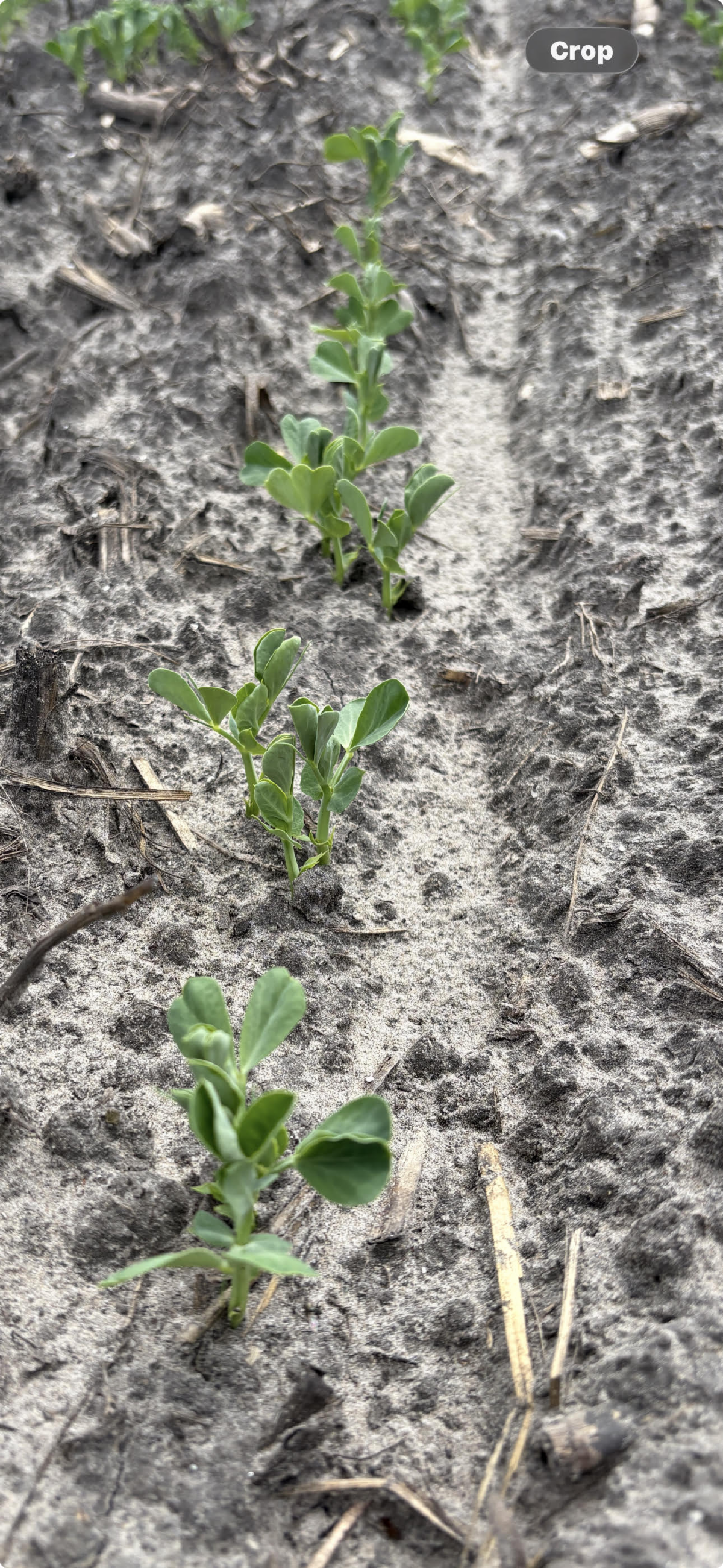
There is significant variability in green pea yields in Ontario, within the same field and between fields. While soil fertility impacts crop performance, the role of the bacterial community living in the soil (or microbiome) – is less understood.
A group of researchers recently looked to identify soil factors that might help explain the differences in pea yields across Ontario fields and ultimately give producers some insightful information. The team included OMAFA, University of Guelph, Nortera Food and McMaster University.
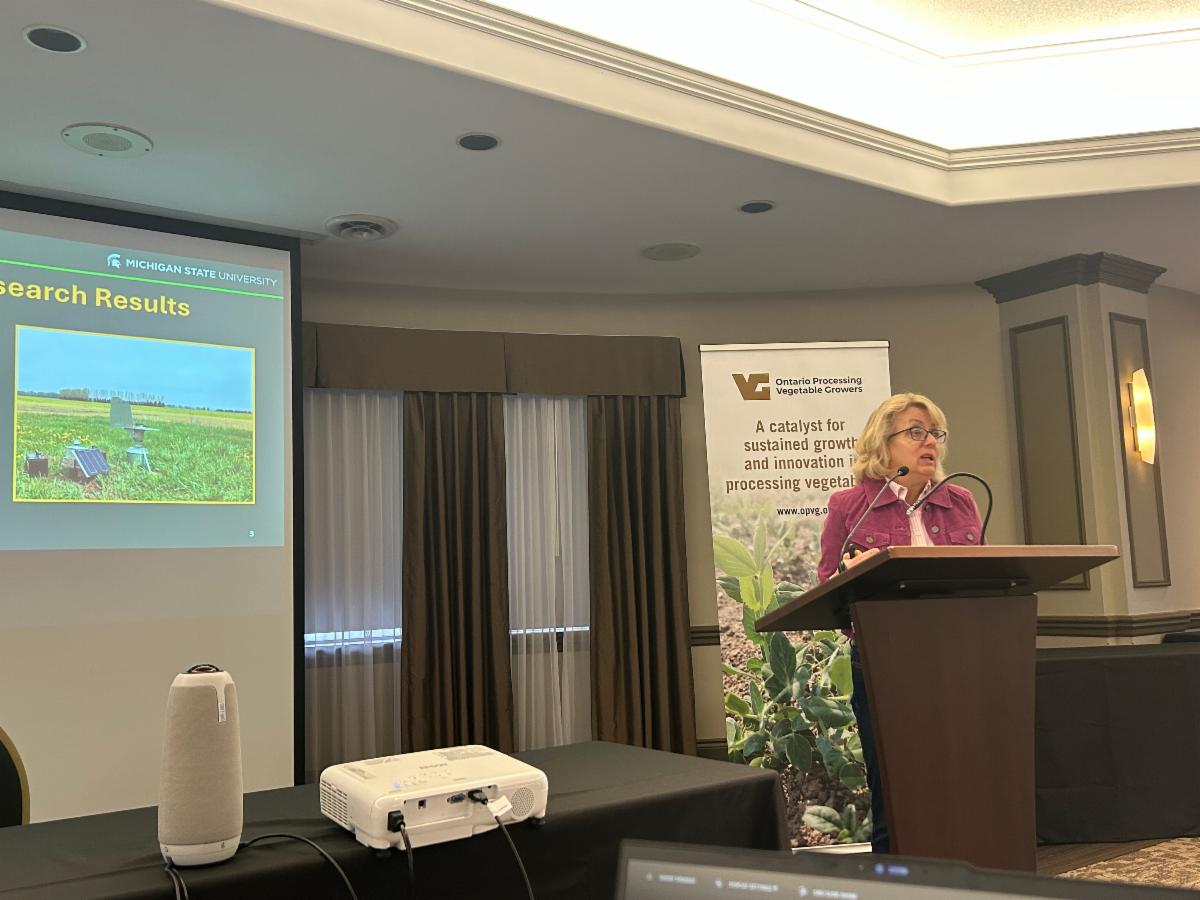
“At this point, genomic and microbiome research in vegetable crops is very exploratory,” says Elaine Roddy, vegetable crop specialist with OMAFA and part of the research team on this project.
In 2024, data was collected on three commercial pea fields including soil fertility, plant tissue, yield and the bacterial community in the soil or microbiome using DNA sequencing. The results gave the researchers some new information, while not completely solving the yield variability riddle.
There were three key findings.
- Soil fertility matters – fields with balanced calcium and pH had distinct microbial communities.
- Microbiomes respond to soil conditions – while microbial composition varied by site, the difference did not directly predict yield.
- Potassium and magnesium levels in the soil appear to be related to yield variability.
- For pea growers looking to improve crop yield, balanced soil fertility (especially with potassium and magnesium) appears to be influential.
“This research isn’t yet providing direct answers to support agronomic decisions for growers,” says Roddy. “Over time, a better understanding of the interactions of microbes will help researchers and industry develop more effective and resilient microbial products to promote yield and crop health.”
Read the full research report Soil health determinants of green pea yield in Ontario: the role of soil microbiomes.
|









 Skip to main content